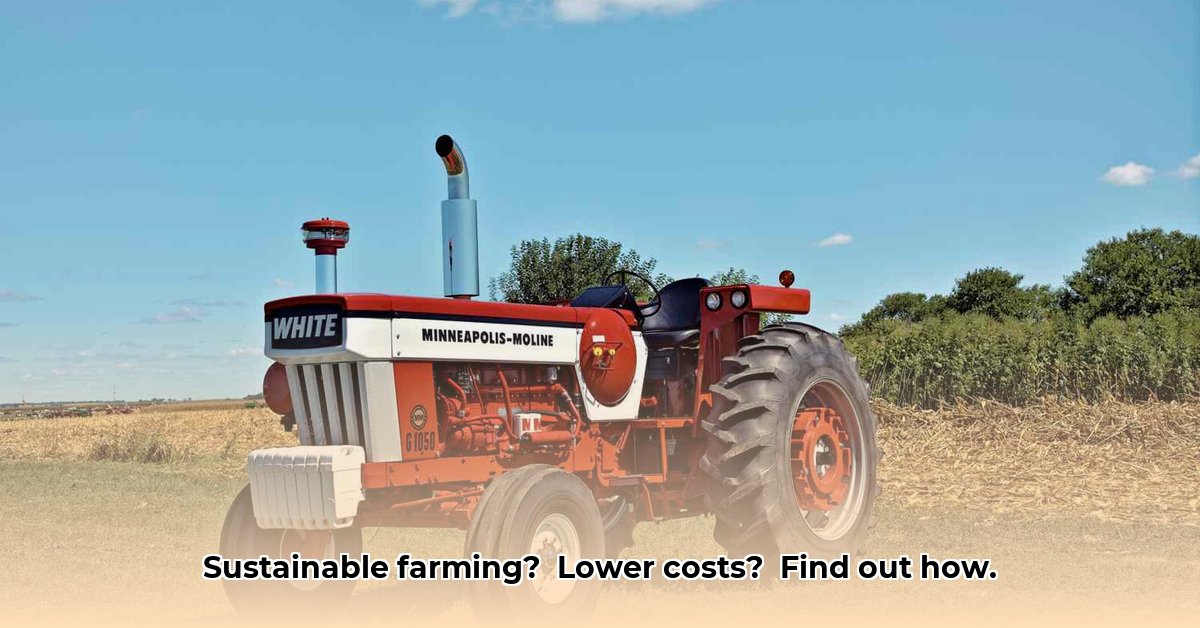
Propane Tractors: A Greener, Cheaper Way to Farm?
Farming profitability hinges on managing costs and environmental impact. Rising fuel prices and growing environmental concerns challenge farmers daily. Propane tractors offer a potential solution, promising both cost savings and reduced emissions. This article explores the economic and environmental aspects of propane tractors, examining practical considerations and outlining a path for informed decision-making. For a comparison with electric options, see more information on electric tractors.
Fueling the Future: Saving Money with Propane Power
Fuel expenses represent a substantial portion of farm operating budgets. Propane, in some regions, offers a potential advantage. Studies suggest propane can be up to 10% cheaper than diesel, translating into significant annual savings. This cost reduction could cover additional maintenance, equipment upgrades, or other vital farm expenses. Further, propane’s higher energy density often means fewer refueling stops, enhancing overall farm efficiency. The equation is straightforward: reduced fuel costs equal increased profitability. But remember to factor in potential fluctuations in propane prices.
Environmental Impact: Is Propane the "Green" Choice?
Sustainable agriculture prioritizes environmental stewardship. Propane tractors contribute to this goal, burning cleaner than diesel engines and resulting in reduced emissions. This cleaner combustion benefits both local air quality and the global effort to reduce greenhouse gases. Moreover, a significant amount of US propane is domestically sourced, reducing reliance on foreign oil. However, a comprehensive assessment requires considering the entire lifecycle of propane – from production to disposal. While promising, further research is necessary to definitively assess its overall environmental footprint. The conversation is ongoing and evolving.
The Practical Side: Making the Switch to Propane
Transitioning fuel sources requires careful planning. Farmers must first assess the availability of propane refueling stations in their area. Limited infrastructure in some rural regions might necessitate longer travel distances for refuelling. Installing and maintaining appropriate storage tanks is crucial and requires adherence to strict safety regulations. Although mechanically similar to diesel tractors, propane tractors may have unique maintenance requirements. Fortunately, many propane suppliers offer technical assistance and educational resources to support farmers during the transition.
Potential Challenges: Addressing the Roadblocks
While the benefits of propane tractors are persuasive, farmers should be aware of potential limitations. Propane prices, like diesel, are subject to market fluctuations. Crucially, propane’s flammability necessitates rigorous safety protocols and comprehensive operator training to mitigate risks associated with leaks or improper handling. Finally, broader public awareness of the benefits of propane as an agricultural fuel is essential. Addressing these challenges through education and robust safety protocols is paramount for wider adoption.
A Collaborative Future: Working Together for Success
The success of propane tractors depends on collaboration. Farmers require affordable and accessible propane. Suppliers should invest in expanding rural refueling infrastructure and providing comprehensive farmer support. Government agencies can facilitate wider adoption through incentives and policy support. Finally, continuous, rigorous research into the long-term environmental impact, lifecycle costs, and best-practice safety measures is crucial for maximizing the benefits of propane as an agricultural fuel.
Actionable Steps for a Smooth Transition
- Farmers: Research local propane pricing and availability; explore propane tractor options and suitable storage solutions.
- Propane Suppliers: Expand rural refueling infrastructure; offer technical assistance and support programs.
- Government Agencies: Fund research on propane’s lifecycle impact in agriculture; implement incentives for propane adoption.
The adoption of propane tractors requires careful consideration of individual farm needs and local conditions. A thorough cost-benefit analysis, incorporating both short-term and long-term factors, is essential for successful implementation.
How to Compare Propane vs. Diesel Tractor Total Cost of Ownership
Understanding the Economics: Propane vs. Diesel
The transition to propane involves long-term economic considerations that extend far beyond the initial purchase price. Fuel costs are a primary factor. While propane might offer regional cost advantages, its lower energy density could lead to increased fuel consumption, offsetting some of the benefits. Maintenance costs are another element; propane engines often exhibit extended oil life due to cleaner combustion but might require specialized mechanics for repairs. Finally, the cost of establishing or upgrading fuel storage and handling systems will significantly affect the total cost of ownership.
Environmental Impact and Sustainability
Propane’s cleaner combustion undoubtedly reduces greenhouse gas emissions compared to diesel, contributing to sustainable farming practices. However, a holistic assessment of its environmental impact demands consideration of its entire production and distribution lifecycle. While cleaner than diesel, a measurable carbon footprint remains. Reduced emissions also potentially lead to environmental benefits beyond reduced greenhouse gas emissions, such as improved soil health and cleaner air. Further research is needed to quantify these indirect benefits.
Practical Considerations: Fueling, Storage, and Maintenance
Propane tractors necessitate specific fueling infrastructure including appropriate storage tanks, the size of which depends on farm size and operational needs. This directly impacts both costs and farm layout. Identifying and engaging mechanics experienced with propane systems is vital to ensure timely and effective maintenance. Proactive maintenance helps minimize costly downtime and maximizes overall engine lifespan.
Making the Right Choice: A Step-by-Step Approach
- Assess your needs: Determine tractor size and annual operational hours to accurately estimate fuel needs.
- Determine local fuel costs: Compare current and projected prices of propane and diesel in your area.
- Evaluate infrastructure: Assess the financial implications of installing and maintaining propane storage and handling systems.
- Analyze maintenance needs: Inquire about typical maintenance costs for propane tractors in your region.
- Calculate total cost of ownership (TCO): Factor investment costs, fuel, maintenance, and infrastructure expenses into a comprehensive TCO analysis. Consider available government incentives or programs.
The decision to adopt propane tractors is unique to each farm. Weigh the potential advantages and drawbacks carefully, considering your specific operational needs and circumstances. The potential benefits are significant, but a balanced assessment is essential.